We also report on rising court fees and the danger of not engaging with ADR
New costs judge appointed to SCCO
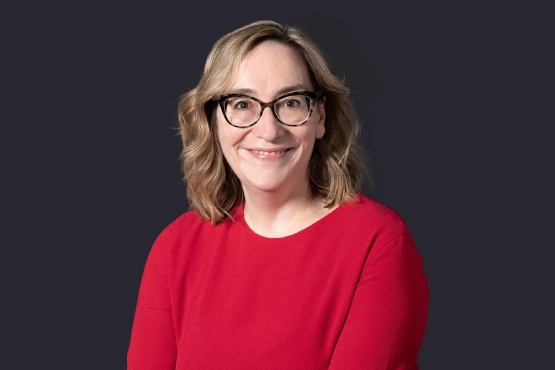
The Senior Courts Costs Office (SCCO) will shortly be back up to a full complement of judges after Sarah Erwin-Jones (pictured) was appointed a salaried costs judge from 1 August. It follows last month’s appointment of Paul Joseph, a barrister who practised from 3PB.
Ms Erwin-Jones, who has been a deputy costs judge in 2013, has been a partner in the Nottingham office of Browne Jacobson, where she was its leading lawyer on redress, abuse and assault claims.
Court fees set to rise
A large swathe of court fees – including those relating to costs proceedings – are set to rise on 13 July, subject to parliamentary approval.
“The purpose of the changes is to strengthen cost recovery, improve consistency in how and where fees are charged, and maintain fair access to justice for all,” the Ministry of Justice said.
Some 170 fees will increase by 2.6% in line with inflation for 2024/25 and 27 fees which will increase by an average of 34% (equivalent to £6.19) in line with accumulated inflation. Four fees will be reduced to reflect reductions in their underlying costs.
The fee for a costs assessment will rise £2 to £69.
Probate fees and 80 fees across the residential property division of the property chamber of the First-tier Tribunal will also increase.
For the full list of changes, click here.
Indemnity costs bid weakened by ignoring ADR
A successful defendant’s application for indemnity costs was “weakened” by their failure to entertain the possibility of alternative dispute resolution (ADR), a High Court judge has said.
In Rodoy v Optical Express Ltd (Re Costs Order) [2026] EWHC 1486 (KB), Mr Justice Griffiths said he had been asked to give reasons for ordering costs on the standard basis rather than on the indemnity basis after the claimant’s unsuccessful defamation claim.
Griffiths J said he also bore in mind that the judge who decided the trial of meaning had urged the parties to engage in ADR.